RESEARCH

On-going Projects

Validation of logistics process in CDC automation logistics center
(LG CNS)
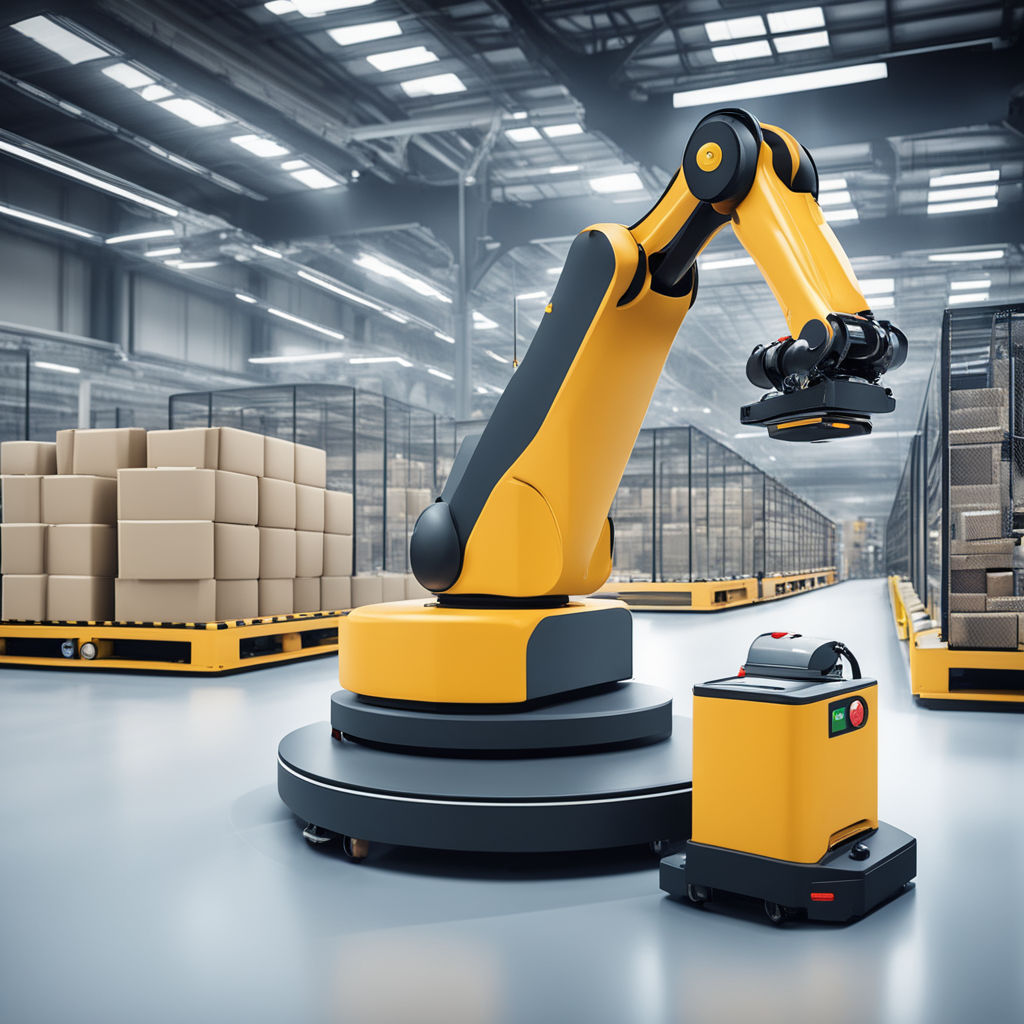
With the shift towards multi-variety small-batch production, agility in production and customization for customers is being emphasized. The necessity of automation technology is being highlighted. Automated warehouses, by integrating robots, unmanned conveyor systems, and automated storage facilities, can achieve high productivity. The operational policies of automated facilities play a crucial role in the productivity of automated warehouses.

A Central Distribution Center (CDC) differs from typical warehouses in that it generates and dispatches mixed SKU pallets from single SKU pallets. To enhance the productivity of CDCs in such scenarios and reduce human intervention, research is being conducted by dividing the inbound process and mixed process, employing ongoing and analytical approaches.

(2023 ~ present)
Seecargo TMS
(SL Solution)

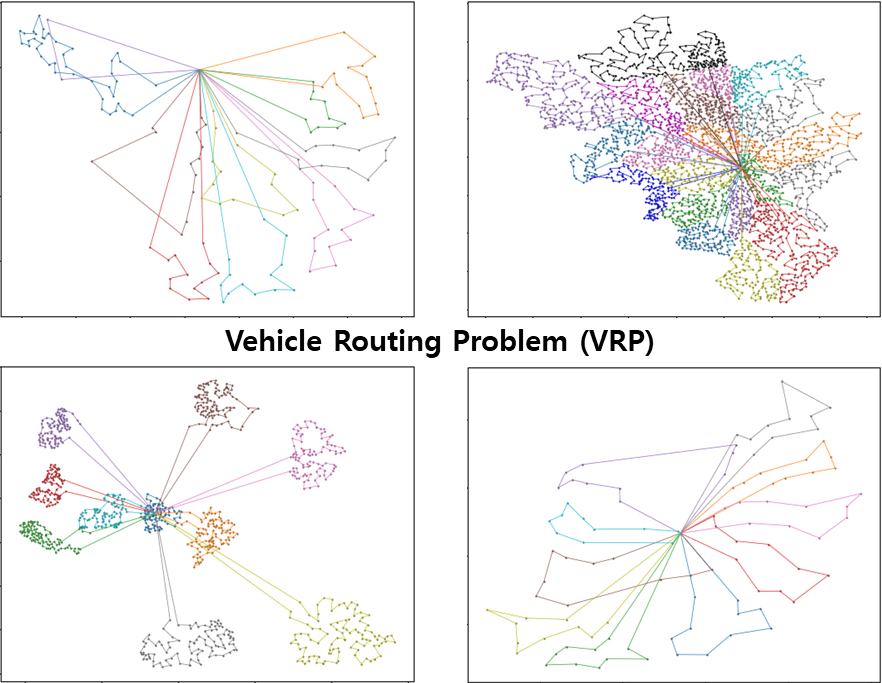
The iLSL has developed vehicle routing, assignment, and dispatching algorithms for the Seecargo Transportation Management System (TMS) engine currently in service. The Vehicle Routing Problem (VRP) is an NP-hard combinatorial optimization problem. An efficient algorithm has been developed to provide solutions to large-sized and complex problems within a limited response time.

Various generalizations of the problem are being studied to be included in the algorithm and provided to customers as routing options (e.g., pick-up and delivery, assignment of tasks, preferred areas for drivers, time windows, equipment compatibility, etc.).

(2018 ~ present)

Developing automation operation logic for RTGC
(CyberLogitec)

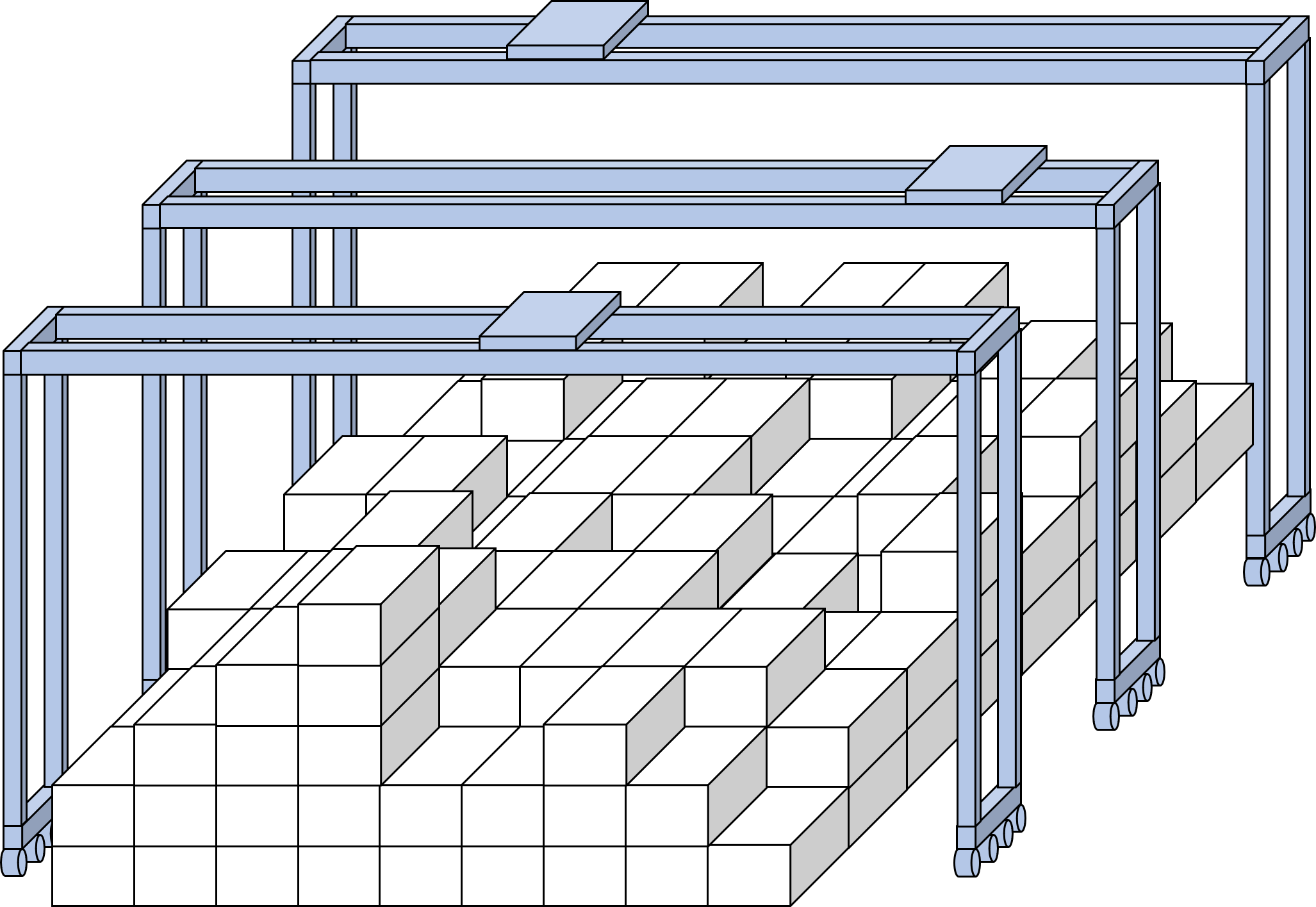
In countries prone to frequent earthquakes like Japan, Rubber Tire Gantry Cranes (RTGCs), which can move without rails, are primarily used over Rail Mounted Gantry Cranes (RMGCs). Currently, the most researched RTGC operating logic involves using two cranes in one block.

Unlike the existing research on RTGC operating logic, enabling the autonomous utilization of three cranes in two blocks could not only enhance productivity but also improve the autonomy of crane operations. To achieve this, we are developing algorithms using the AutoMod ongoing program to automatically control three RTGCs. Additionally, we are conducting research to establish the most efficient operating logic based on real data and ensure the movement of RTGCs without collisions.

(2022 ~ present)

Development of Core Algorithms
(Ministry of Land, Infrastructure and Transport R&D)

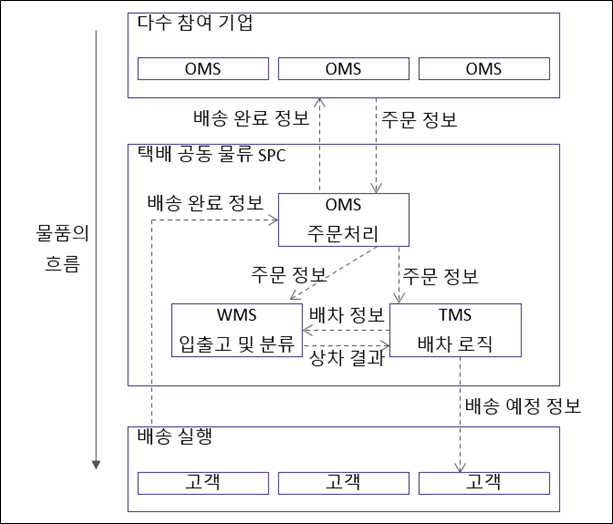
Recently, there has been a growing need for collaborative logistics to integrate orders from various companies in the last-mile delivery process, aiming to achieve cost savings and maximize profits through economies of scale. With collaborative logistics, even less profitable delivery areas, where the delivery density is low and costs outweigh revenue for individual courier companies, can benefit economically by consolidating orders from multiple companies for batch processing.

This study focuses on the process of combining orders from multiple companies and redistributing them, which involves reallocating delivery areas and optimizing routes. Within this process, various concepts, including dynamic zoning for equalizing delivery volumes, are being explored.

(2020 ~ present)